Email Marketing for Restaurants: A Plain-English Guide for Owners
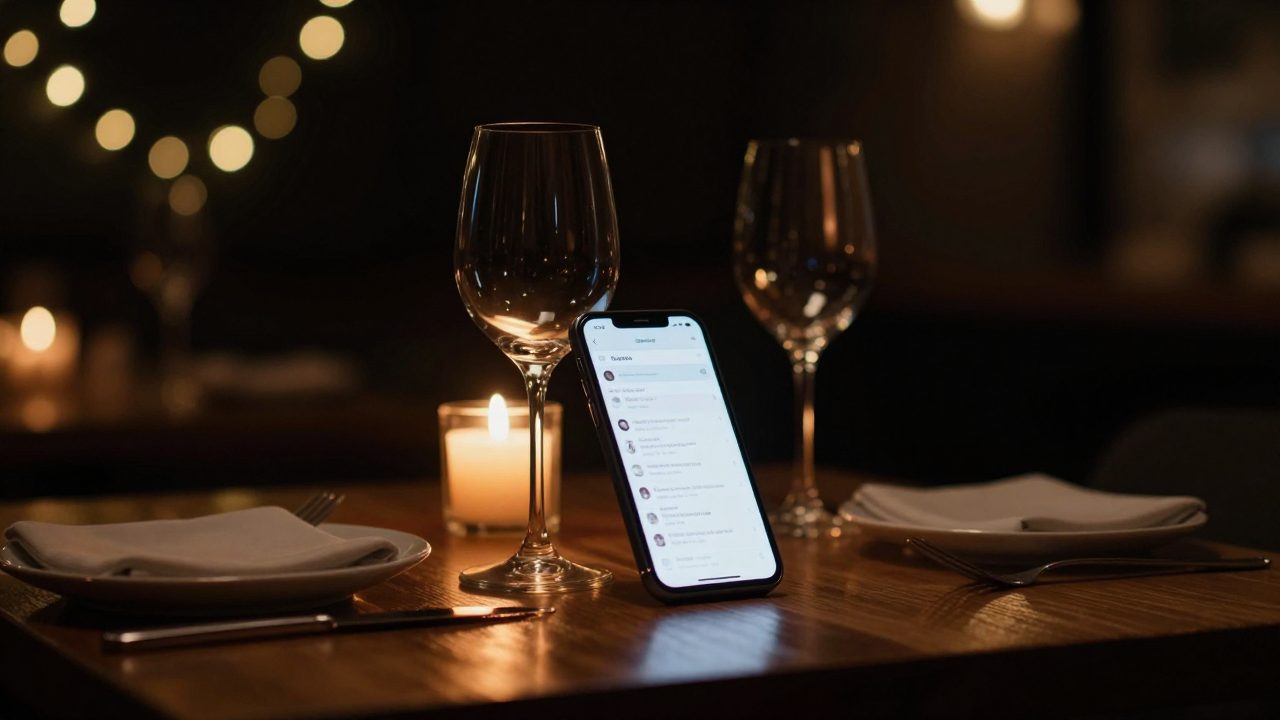
Email marketing for restaurants can sound like one more project for a list that never gets shorter. Here's the truth, though: your email list is the only marketing channel you actually own, and the people on it already like your food. This guide covers how to build the list from what you already have, what to send, and what it should cost — no jargon, no fluff.
Why Email Marketing for Restaurants Still Beats Social Media
Instagram is great for making people hungry. But every post reaches only a slice of your followers — the platform's algorithm decides which slice, and it changes the rules whenever it likes. An email lands in the inbox of every person on your list, every time.
Beyond that, the people who join your list are telling you something. They came in, they liked the experience, and they want to hear from you again. Marketing to a regular costs pennies; finding a brand-new customer through ads costs dollars. Every email tilts that math in your favor.
And the payoff shows up where it matters most: your slow nights. A Tuesday email about a Wednesday wine dinner doesn't need to go viral. It needs to fill the tables that would otherwise sit empty tonight.
Build Your List From What You Already Have
First rule: never buy an email list. Rented names get your domain flagged as spam, tank your deliverability, and can violate anti-spam laws like CAN-SPAM. Everything you need is already walking through your door — you just have to ask, and give people a reason to say yes.
Here's where restaurants actually collect emails:
- A QR code on tables, receipts, and to-go bags. Link it to a simple signup page. The reason to say yes: a free dessert on the next visit, or ten percent off. Small offers work fine — they just have to be real.
- Your Wi-Fi login page. Guests ask for the password anyway; make the login screen offer an optional signup for your list.
- Online ordering and reservations. If your system sends confirmation emails, it can request marketing consent at the same time. The key word is consent — there's a difference between "here's your receipt" and "yes, send me offers."
- Catering and event inquiries. Anyone asking about hosting a rehearsal dinner is a high-value contact. Keep them.
One more rule keeps you clean: only email people who chose to hear from you, and let the unsubscribe link do its job — every reputable email tool adds one automatically. That's the whole compliance conversation for most restaurants.
What to Actually Send: The Five Emails That Earn Their Keep
The mistake most restaurants make isn't sending too little — it's sending nothing for two months and then blasting a "we miss you" email that feels desperate. A steady rhythm beats bursts. These five emails cover almost everything a restaurant needs to send:
- The welcome email. Sent the moment someone signs up. Deliver the offer you promised, say thank you, and tell them roughly how often you'll write. This will be your most-opened email — don't waste it.
- The monthly note. What's new: the fall menu, a new bartender, live music on Thursdays. Three short paragraphs and one photo. If it takes more than ninety seconds to read, it's too long.
- The slow-night offer. Early-bird pricing Monday through Wednesday, half-price wine Tuesdays, whatever moves your quietest nights. Give it a deadline — "this week only" — so people act on it.
- The holiday email. From late October through December, most restaurants make their year: party bookings, catering, gift cards. Those emails need to start going out in October, not the week before Christmas.
- The win-back. For guests who haven't been in for two or three months, "look what's new" beats "we miss you." A new menu, a refreshed room, a new reason to come see it.
How often? Two to four emails a month is the sweet spot for most restaurants — enough to stay on the radar, not enough to get muted.
What It Costs — and the Only Feature That Really Matters
The budget math is friendly. Reputable email tools have free tiers that cover your first few hundred subscribers, and most restaurants with a list in the low thousands pay somewhere in the $15–$50 per month range once they outgrow the free plan. Treat those as ballpark numbers — pricing changes constantly — but email will almost certainly be your cheapest marketing channel per dollar of revenue it brings back through the door.
The feature that matters most isn't templates or AI-written subject lines. It's connection to your point-of-sale or reservation system. If your POS offers a built-in email tool — Square Marketing is the best-known example — start there, because the integration can tie an email to the ticket it actually generated. That link between "we sent this" and "they came in and spent money" is the difference between guessing and knowing.
And measure the thing that matters. Open rates are nice; redemptions pay rent. Put a "mention this email" line or a simple code in every offer so you can count exactly which emails brought bodies through the door.
Automate the Repetitive Parts
The welcome email, the birthday offer, the ninety-day win-back — none of these need you at a keyboard. Every mainstream email tool can send them automatically, triggered by a signup or a date. You write them once; the system runs them forever.
If that feels like a lot, start manual. Send the monthly note yourself for a couple of months, watch what your guests actually respond to, then lock the winners into automation. The point was never technology for its own sake — it's that a Tuesday-night bump shouldn't depend on you remembering to send an email in the gap between lunch and dinner service.
Where to Start This Week
You don't need a strategy document. You need a first gear:
- Pick one signup spot — a QR code on receipts or tables is the fastest — and attach a real offer to it.
- Write the welcome email that delivers that offer.
- Put the monthly note on your calendar for the same day each month.
- Before Halloween, sketch the holiday emails: private parties, catering, gift cards.
That's a working email program — the kind that fills slow nights all winter.
And if you'd rather run the kitchen and let someone else build the machine, that's exactly what we do. Business Builders sets up email marketing and marketing automation for small businesses — the list, the automated emails, the holiday calendar — and hands you the keys. Start with a conversation at business-builder.online.